
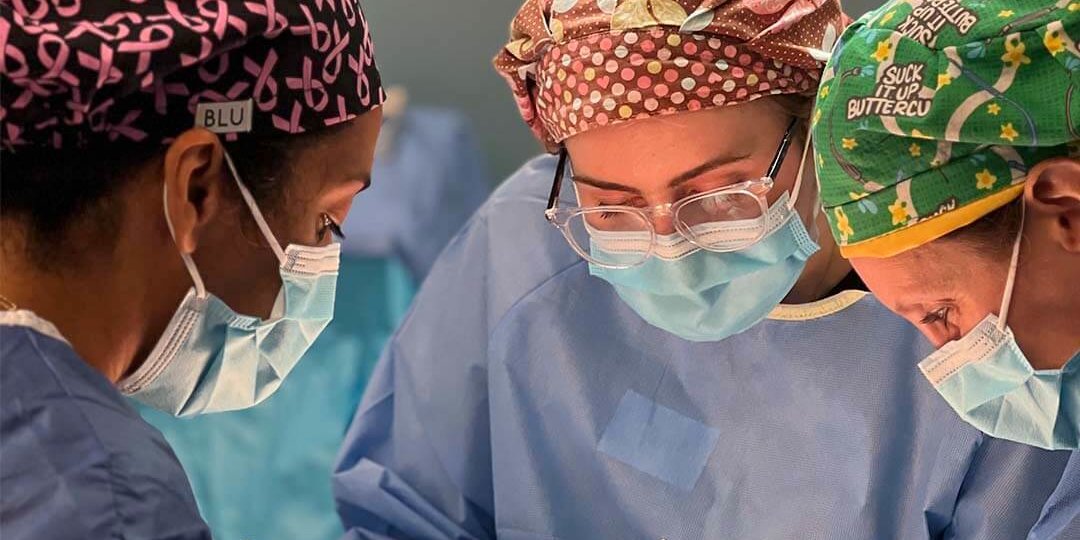
Breast Reduction Surgery: An Expert Takes You Step-by-Step
Have you ever wondered what actually happens during breast reduction surgery? This post and my surgical video below are for you. Many women I meet are curious—sometimes excited, sometimes nervous—about the details of surgery. Somen women are considering having a breast reduction along with other body-focused procedures and want to understand how everything fits together. I’m glad you’re here. Let me walk you through how I perform a superomedial pedicle breast reduction, what that means, what happens to the nipple during breast reduction, and what you can expect in recovery.
I recently shared a surgical video (see below) that shows the procedure in real time. For those who prefer not to watch surgery (totally understandable!), this blog post explains each step, in plain language.
What Is Breast Reduction Surgery?
Breast reduction surgery is designed to remove excess breast tissue, fat, and skin to create a breast size that’s more proportional to your body. Many of my patients seek breast reduction to relieve neck, back, and shoulder pain, improve posture, fit more comfortably in clothing, or simply feel more like themselves.
In Raleigh, NC, plastic surgery patients often come to me wanting to be “as small as possible,” while still maintaining a youthful, natural breast shape. My job is to balance size reduction with beautiful contour and long-term results.
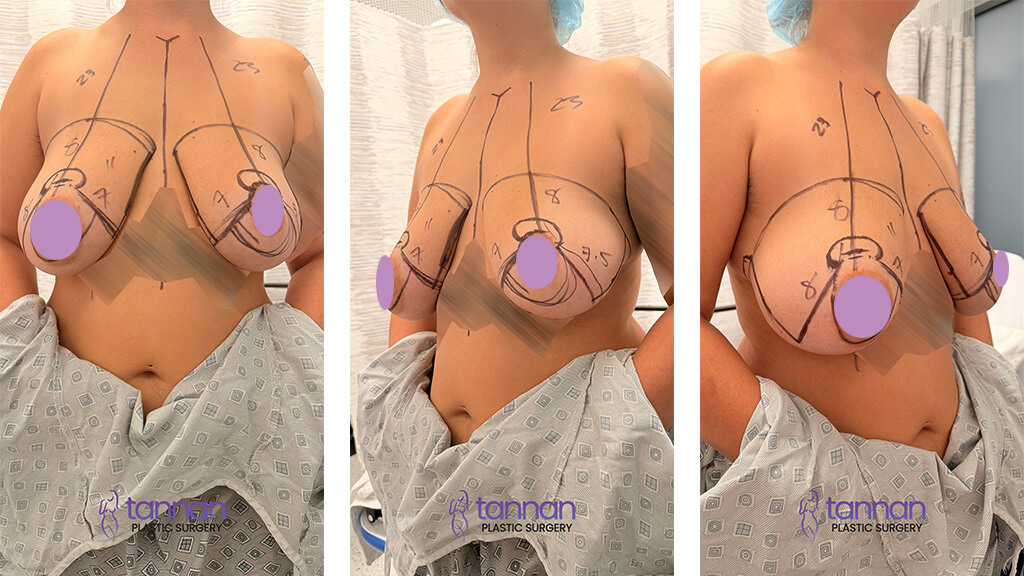
Step 1: Surgery Day Pre-Surgery Markings (My Mental Dress Rehearsal)
Before we even begin surgery, I carefully mark the breasts. These markings are my roadmap—they guide every incision and every decision I make in the operating room.
I often tell patients this is my mental dress rehearsal. Each vertical line, curve, and measurement corresponds to how the breast will be reshaped and lifted. Precision here is everything.
Step 2: What Happens to the Nipple During Breast Reduction?
This is one of the most common questions I hear, so let’s clear it up.
Many people think the nipple is completely removed and then put back on. That is not what happens in breast reductions at my practice. I strongly recommend that you ask your board-certified plastic surgeon how they treat the nipple during surgery.
Here’s what I actually do:
● I remove the skin around the nipple
● The nipple stays attached to a pedicle, which is a bridge of living tissue attached to you
● This pedicle preserves blood supply, sensation, and nipple viability
In the video, you can see the nipple remain connected while I reshape the breast around it. I commonly use a superior or superomedial pedicle technique, meaning the blood supply comes from the upper portion of the breast—this helps maintain a youthful look with fullness on top, while allowing me to remove the excess weight from where we don’t want it — the bottom of the breast.


Step 3: Removing Excess Breast Tissue (Including “Side Boob”)
Next comes the reduction itself. I remove the heavy, hanging tissue from the bottom of the breast. In many women, this is where most of the weight lives.
Patients are often bothered by:
- Excess fullness under the arms (“side boob”)
- Wide breasts that spill out of bras
- A heavy, downward pull on the chest
I’m constantly reassessing what to remove and what to preserve. The goal isn’t just to make the breasts smaller—it’s to leave behind tissue where we want it most: up top, for a lifted, youthful contour.
Step 4: Shaping the Breast and Repositioning the Nipple
People are often so focused on what we remove. What’s most important is what we leave behind! That is what we use to build a beautiful breast shape. Once the extra tissue is removed, the artistry begins.
You’ll see me:
- Create a cone shape for projection
- Rotate the pedicle to bring the nipple into its new, higher position
- Temporarily use staples (don’t worry—no one goes home with these!)
The staples simply hold things in place while I add internal sutures and fine-tune symmetry. This allows me to check that the shape aligns with the patient’s goals before final closure. It’s natural to have asymmetry in your breast volume, nipple position, and breast height. Please do not feel shame if you have some breast asymmetry prior to surgery- it is natural and normal! We will do everything we can to harmonize these differences in your final result.
Step 5: Closing and Supporting Healing
I close the breast in multiple layers using all absorbable sutures. This helps with comfort, healing, and scar quality.
Along the vertical incision, I use Brijit strips, which:
- Bridge the incision
- Reduce tension on the skin
- Support better wound healing and scar formation
The nipple is carefully sutured in multiple layers to look as natural as possible, blending in seamlessly with the surrounding skin, and the areola is made smaller in size to fit a smaller breast.

Breast Reduction Recovery: What to Expect
While recovery varies, most patients can expect:
- Initial swelling and soreness for 1–2 weeks
- Light activity within days
- Return to normal routines over several weeks
- Gradual settling of breast shape over a few months
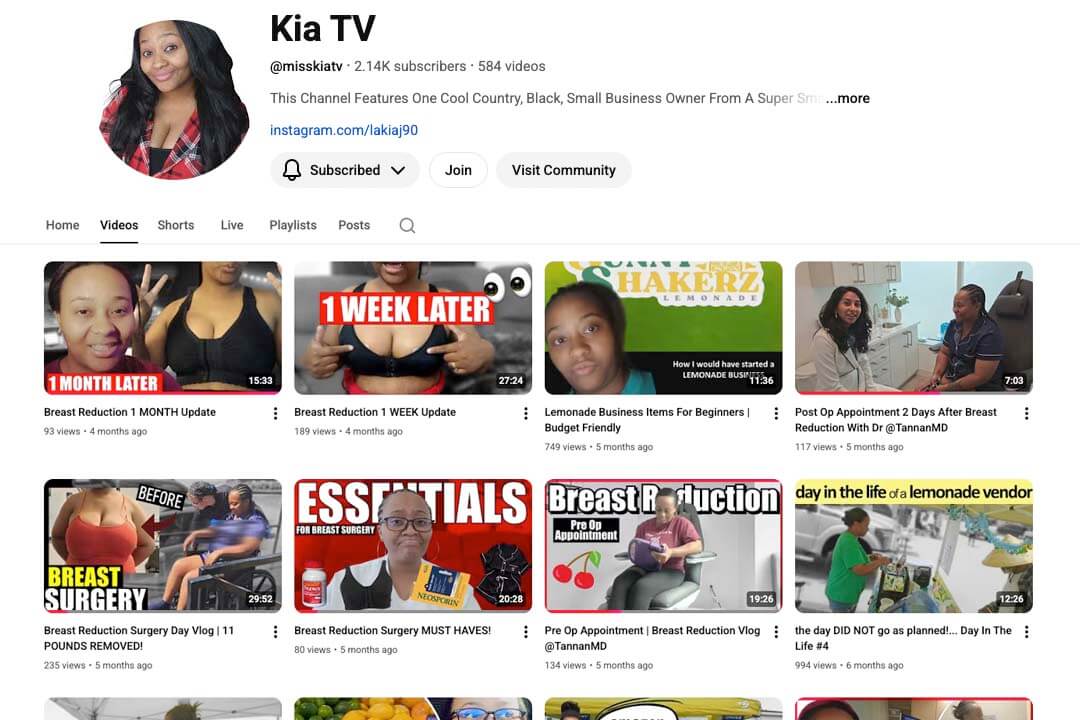
Breast reduction recovery is often described as life-changing—not just physically, but emotionally.
Considering Breast Reduction?
If you’re exploring breast reduction surgery—or combining it with other body procedures—education is empowering. My goal as a Raleigh, NC plastic surgeon is to make sure you feel informed, confident, and supported every step of the way.
Seeing the final result, especially compared to the untreated side, is one of my favorite moments. And sharing that transformation with my patients? That’s why I do what I do.
If you’re thinking about breast reduction, I’d love to help guide you through the process—starting with a conversation. Call us today! (919) 797-0996.