
Cup Size After Breast Reduction Surgery: The Eye-Opening Truth
If you’re considering a breast reduction, you are probably wondering: “How will I know my future cup size after breast reduction surgery?” It’s a great question—and an important one. It takes some soul-searching to know your goals for your final breast size and proportion and it is so important to communicate your wishes with your plastic surgeon.
As a female board-certified plastic surgeon, I want to walk you through how this decision is made, what factors influence your final cup size, and how you can best communicate your goals. This way, you and I are in alignment before surgery.
Why Cup Size After Breast Reduction Surgery Isn’t an Exact Science
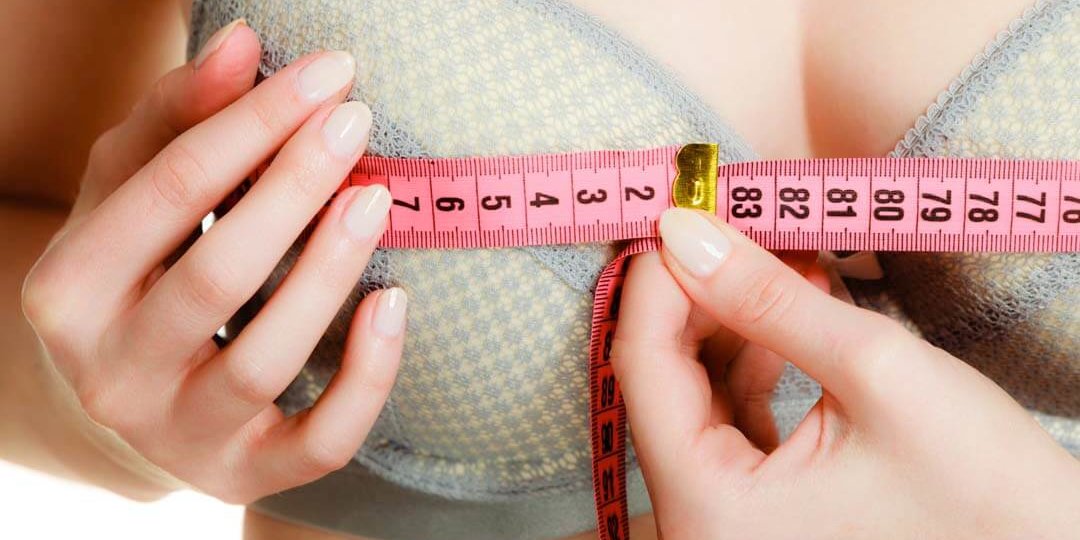
Let’s start with an honest truth: cup size is not a precise measurement. Bra sizing varies widely by brand, style, and even body shape. One company’s “C cup” may fit very differently than another’s. I bet you have two or three different bra sizes in your drawer that all fit you. Clearly, the measurement is not objective. That’s why we don’t rely on cup size alone to guide surgical planning.
Instead, we focus on:
- Proportion to your body
- Breast shape and fullness
- Weight of breast tissue removed
- Your personal lifestyle goals
That said, there are important factors that affect how much control you have over your final breast size.
Insurance vs. Cosmetic Breast Reduction: Why It Matters
Now, before I launch into this, I have to mention insurance. One of the first things I clarify with patients is whether their breast reduction surgery is going through insurance.
If your breast reduction is through insurance:
- There is less flexibility in final cup size.
- Insurance companies often require a minimum amount of breast tissue to be removed.
- Your surgeon’s priority when you are going through insurance is to make sure that enough tissue is taken our so your claim isn’t denied.
- The focus is on symptom relief (neck pain, back pain, rashes), not a specific cup size or aesthetic goal, sadly.
If your breast reduction is cosmetic (out of pocket):
- You typically have much more control over your final breast size.
- The surgery is tailored closely to your aesthetic goals.
- This allows for a more nuanced discussion about shape, fullness, and proportion.
- Liposuction can be included as a part of the procedure to your sides of your chest and bra fat.
This distinction is critical when we talk about expectations.


Two Common Mindsets Women Bring to Breast Reduction Consultations
When I ask women what they’re hoping for after surgery, they usually fall into one of two groups. It is helpful to know what you want, deep down. I encourage you to sit with each statement and figure out which one resonates best with you.
1. “I Want to Be As Small As Possible”
These women often say:
- “I want to go braless.”
- “My breasts have always been in my way.”
- “I’ve never wanted to be this big.”
- “I want to be able to wear bras off the rack.”
- “I have hated them since I had them.”
- “Chop.Them.Off.”
For this group, the goal is minimal breast size, maximum relief, and less need for structured bras.
2. “I Still Want Fullness after Surgery—Just Not This Much”
This group tells me:
- “Having full breasts is a part of my identity.”
- “I still want to look feminine and full.”
- “I’d like to be a C or D cup.”
- “I want them smaller, but not too small.”
Both goals are valid—and they are very different surgical endpoints.

The Trade-Off You Can’t Avoid
Here’s where I’m very honest with patients: You can’t have everything.
You can’t say:
- “I want to be full”
- “I want to be a C or D”
and
- “I want to go braless all the time”
Those goals don’t fully align anatomically. More fullness usually means more weight, which means some level of support is still needed. Understanding and accepting these trade-offs is key to satisfaction after breast reduction recovery.
How to Advocate for Yourself (This Is Important!)
One of the most important things I tell my patients—especially women—is this: Do not be embarrassed to speak up for yourself.
It is absolutely okay to say:
- “I like having breasts, just not this large.”
- “I want relief, but I don’t want to feel flat.”
- “I want proportional, not tiny.”
Your job is to clearly communicate your goals. My job, as your plastic surgeon, is to tell you:
- Whether those goals are realistic
- Whether they’re safe
- And how we can best achieve them
That conversation should feel open, collaborative, and honest. You should never feel judged. Your preferences should never feel diminished or swept aside.

What I Recommend Before Breast Reduction Surgery
To feel confident about your cup size after breast reduction surgery:
- Be clear about whether insurance is involved
- Think about your lifestyle (exercise, bras, clothing)
- Decide which “group” you align with more
- Share inspo photos or descriptions with your surgeon—not just cup sizes
- Ask your surgeon what is realistically achievable
If you’re also considering a breast lift, many of these same principles apply. Shape, position, and proportion matter just as much as size.
Love Your Results and Your Body Again!
Whether you’re exploring breast reduction surgery, a breast lift, or other plastic surgery in Raleigh, NC, the most important factor in your outcome is communication. When you and your surgeon are aligned, you’re far more likely to love your results—not just your cup size, but how you feel in your body.
If you’re thinking about a breast reduction and wondering what your life could look like afterward, that conversation starts with clarity, honesty, and advocacy—for yourself. Call us today! (919) 797-0996.