
Your Core Can Heal: The Truth About Diastasis Recti
As a plastic surgeon who works exclusively with an all-female team, some of the most meaningful conversations I have with patients happen when they finally feel safe enough to ask the question they’ve been sitting with for months, sometimes years.
One of those questions comes up constantly: “What is diastasis recti, and is there anything I can actually do about it?” I love this question, because the answer is nuanced, hopeful, and so often misunderstood.
Whether you’re a new mom frustrated that your body looks and feels different, or someone who has quietly struggled with abdominal weakness and lower back pain for years, I want you to know; you are not alone, and you’re not imagining it.
Let’s walk through what diastasis recti really is, what causes it, and what your options are, so you can move forward feeling informed and confident.
What Is Diastasis Recti?
Our all-female team fields questions about diastasis recti, or abdominal muscle separation, all the time. What is the treatment, and can you do PT to fix it, or is surgery the only way? Let us learn a little more about the problem, and then I can explain the options to you!
Diastasis recti is a condition where the abdominal muscles separate down the middle. This happens when the fascia or connective tissue between the muscles (called the linea alba) stretches and weakens.
It’s most common after pregnancy, but it can also occur in men and women who have had significant weight changes or increased abdominal pressure over time.
If you’ve noticed a persistent “pooch” in your lower abdomen that doesn’t improve with diet or exercise, diastasis recti could be the reason. Sometimes you can see a dome when you do crunches – where your muscles separate instead of coming together. That is another example of diastasis recti.


What Causes Diastasis Recti?
The most common cause is pregnancy. As the uterus expands, it places pressure on the abdominal wall, stretching the muscles apart. Stress, injuries or medication side effects can also cause diastasis recti when associated with rapid weight gain.
Contributing factors include:
- Rapid or significant weight gain
- Multiple pregnancies
- Infertility treatments
- Genetics (some people have naturally weaker connective tissue)
It’s important to understand; this is not a failure of fitness. Many very active and strong women develop diastasis recti. This is so important that I will say it again – you are not at fault. You did not develop diastasis recti as a result of being lazy and not “working out enough.” If another person comes into my office down on herself because of difficulty losing weight after childbirth, I am going to have to get on my soapbox again! If your core is not working properly then you will not be able to strengthen muscle and lose weight – period.
Signs You May Have Diastasis Recti
Some of the most common symptoms include:
- A visible bulge or ridge down the center of the abdomen
- A “pregnant” appearance months or years after childbirth
- A dome on your abdomen every time you try and do a sit-up
- Weak core strength
- Lower back pain, worse with exercise or after long days being on your feet
- Difficulty with certain movements or exercises
- Urinary incontinence
A simple self-check: when lying on your back and lifting your head slightly, do you feel a gap or separation between the muscles? Just so you know, when you come to your consult with me, I will do a high-resolution ultrasound to see your diastasis at rest and when you are doing crunches. It can be so validating to see it on the images on the screen, and I highly recommend you come with your partner or loved one to help you take in all the information we discuss during your consultation.


Can Exercise Fix Diastasis Recti?
Mild cases can sometimes improve with targeted physical therapy. The key is correct core engagement, with pelvic floor physical therapy, not simply doing more crunches.
Helpful approaches include:
- Deep core strengthening (transverse abdominis activation)
- Pelvic floor physical therapy
- Guided postpartum rehab programs
- Non-invasive electrical muscle stimulation (EMS) treatment, like Evolve
However, traditional exercises like crunches, sit-ups, or planks, especially done incorrectly, can actually make the separation worse. For moderate to severe diastasis recti, exercise alone is often not enough to fully repair the muscle separation, and can cause further injury, like spinal disc herniation.
When Is Surgery the Right Option?
If the abdominal muscles are significantly separated or if you’ve completed childbearing and still struggle with core weakness or appearance, surgical repair may be the most effective solution. This is typically done during a tummy tuck (abdominoplasty).
During the procedure:
- The separated muscles are brought back together and sutured into place
- Excess skin will be removed
- The abdominal wall is tightened and strengthened
This is not just cosmetic. Diastasis Recti repair restores core function and stability. It used to be covered by insurance thirty years ago. But now, well, very little is.
SURGERY VIDEO:
(Caution: graphic content!) Listen (and watch) as Dr. Tannan walks you through the key steps in a Abdominoplasty procedure. These include: belly button preservation, muscle repair (Diastasis Recti!), skin removal, skin redraping and closure, and belly button repositioning.
Benefits of Surgical Repair
Patients often notice:
- A flatter, more toned abdomen
- Improved posture
- Better core strength
- Reduction in back pain
- Increased confidence in clothing and daily activities
- Reduced urinary incontinence
Why This Repair Is Not “Just Cosmetic”
Diastasis recti is often dismissed as a cosmetic issue, but it can significantly impact function.
Your core is central to everything, from standing and lifting to protecting your spine. When it’s compromised, the effects go beyond appearance.
Repairing diastasis recti can be a meaningful improvement in both form and function.
The First Step to Diastasis Recti Repair is Professional Medical Evaluation
At Tannan Plastic Surgery, we focus on personalized care, whether that means guiding you toward nonsurgical management and referral to a physical therapist or discussing surgical options that align with your lifestyle.
Diastasis recti is common, treatable, and often misunderstood. If your core doesn’t feel the way it used to, and won’t respond to your efforts, there’s a reason. And there are solutions.
If you suspect you have diastasis recti, the first step is a proper evaluation. Not all abdominal bulges are the same, and the right treatment depends on the severity of separation and your goals. Call to schedule a consultation (919) 797-0996.
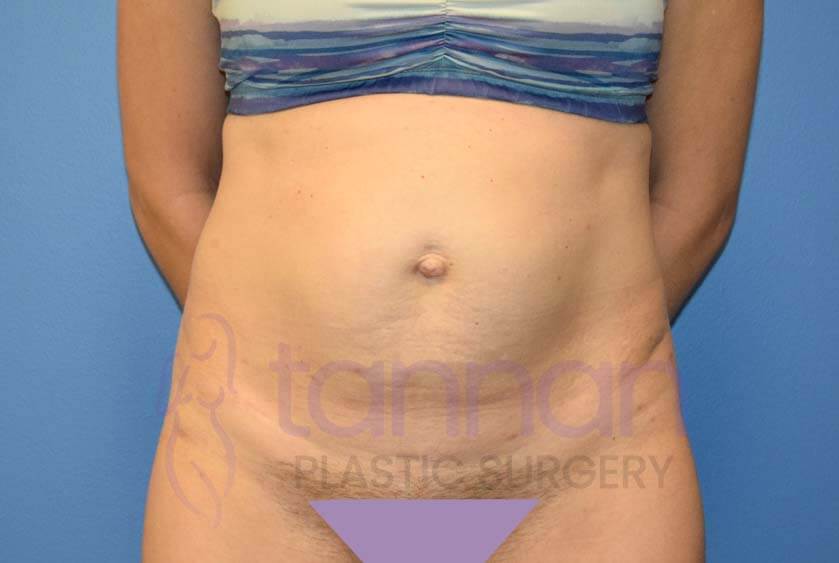
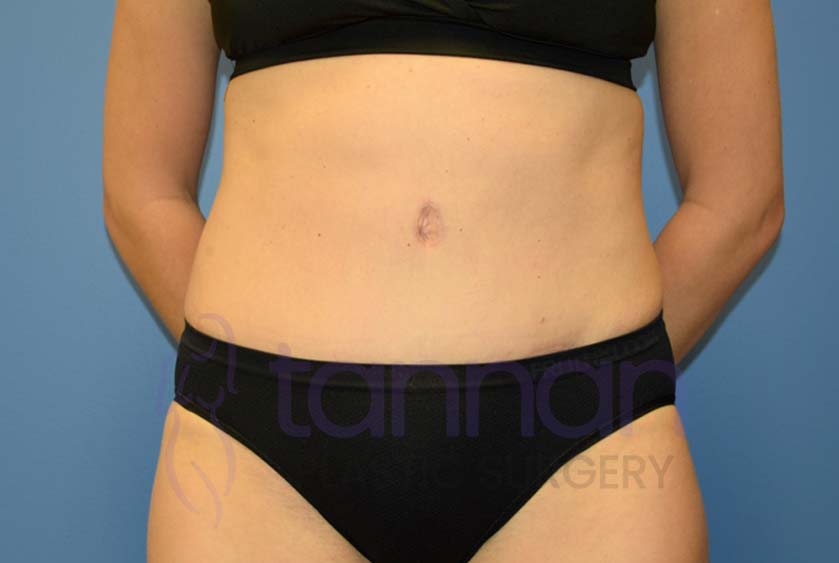
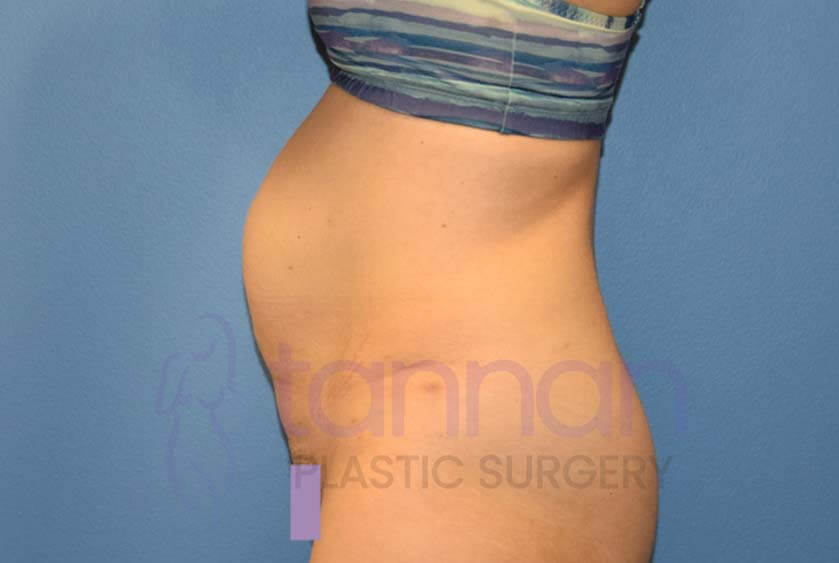
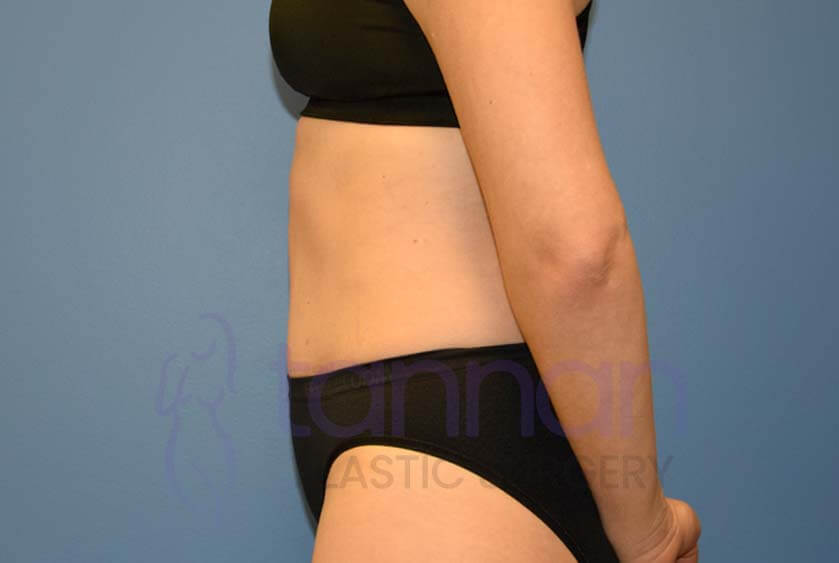
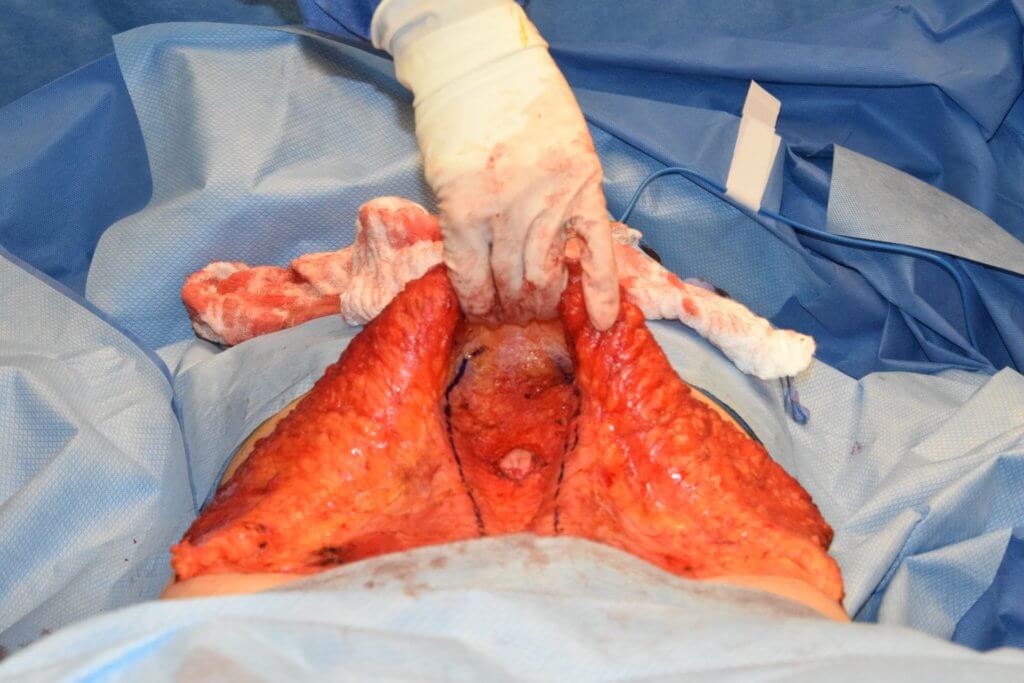
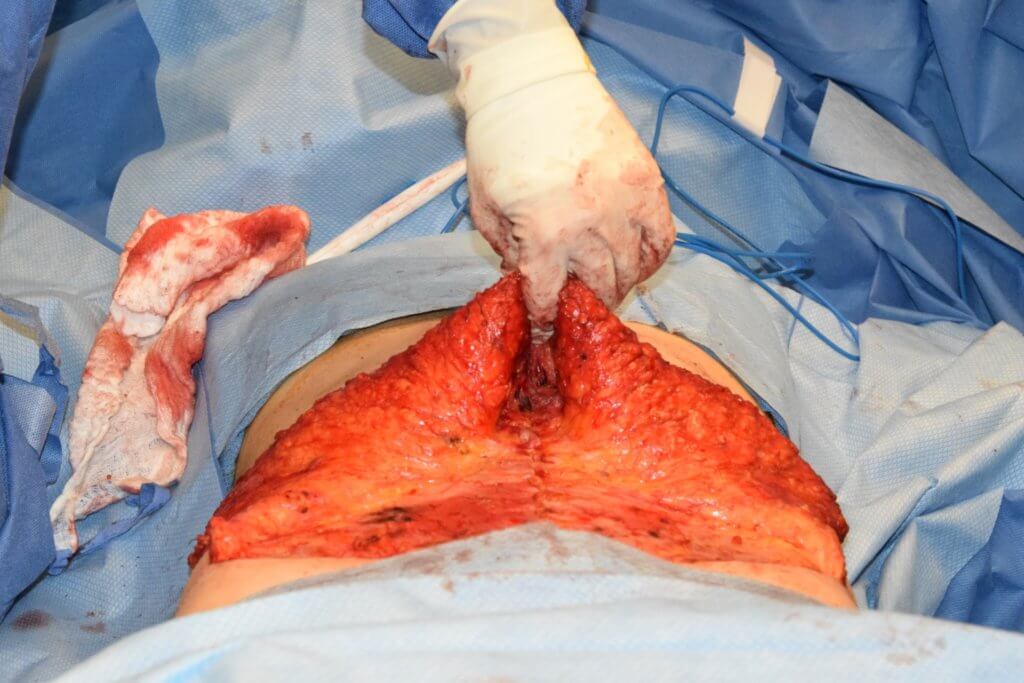
Below images: Note the before & after diastasis recti repair images of our beautiful patient. In the before photos, you can see the bulge in her belly is mainly above her belly button. Now look at the picture of what was found in surgery – the muscles are like two separate mountain ranges traveling up and down, and they are more separated above her belly button (top of picture) than below her belly button. During the Tummy Tuck procedure her abdominal muscles were sutured together, repairing her diastasis recti. You can see that the “mountain range” of separated muscles tenting up is now gone after her diastasis recti repair.