

Do GLP-1 Medications Cause Hair Thinning? Everything You Need to Know
The short answer is no, GLP-1 medications do not directly cause hair thinning. But there is an important “but.”
Some people taking GLP-1 medications such as Ozempic®, Wegovy®, Zepbound®, or Mounjaro® notice increased hair shedding a few months after starting treatment. When this happens, the cause is usually not the medication itself, but rather a condition called telogen effluvium, which is linked to rapid weight loss and metabolic stress. Let’s break that down in plain language.
What Type of Hair Loss Are People Experiencing?
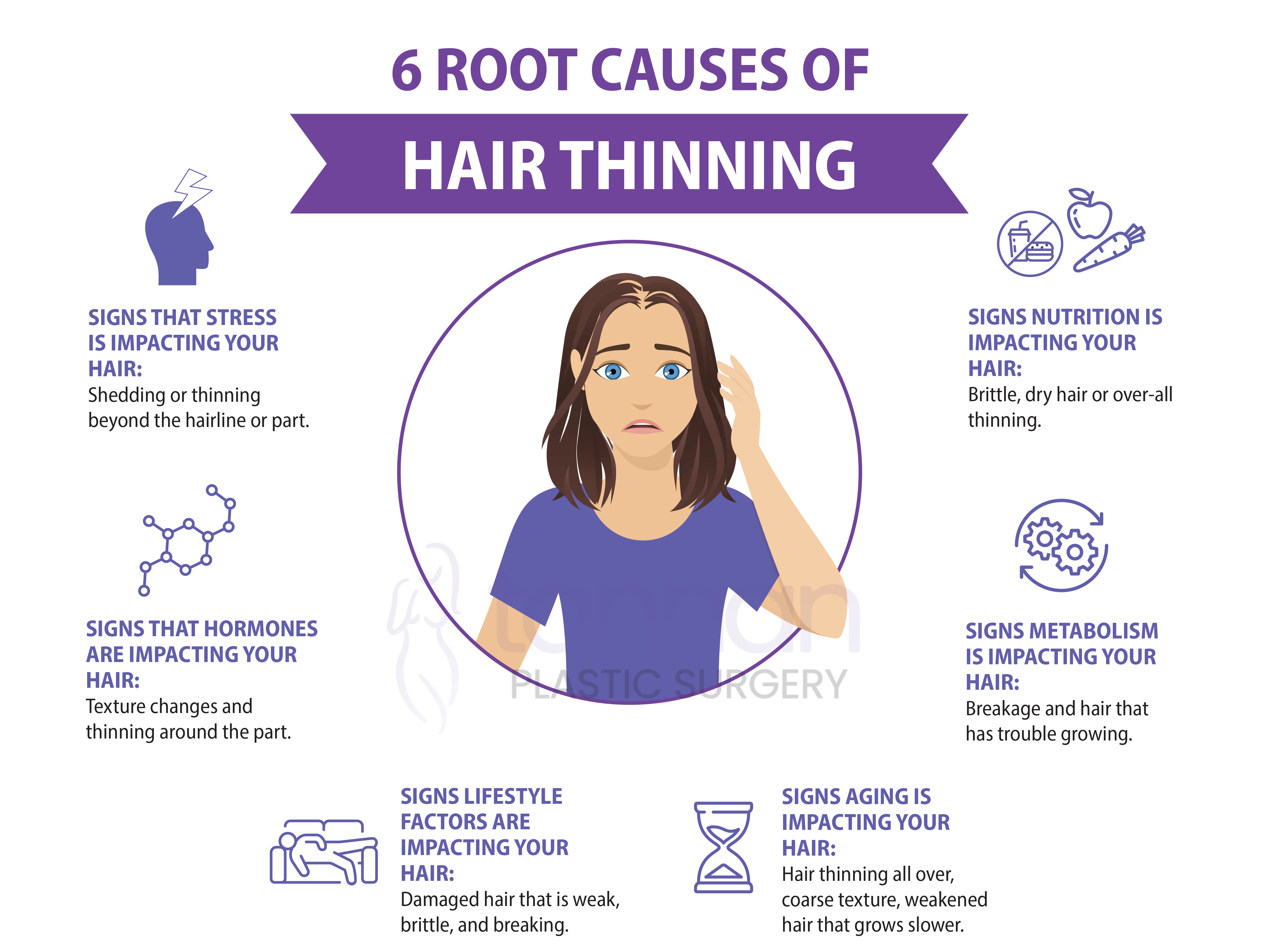
The term ‘Telogen Effluvium’ is a mouthful, so we’ll break it down for you. Telogen effluvium is a temporary type of hair shedding that happens when the body goes through stress. That stress can be caused by:
- Rapid weight loss (for any reason)
- Major diet changes (often lack essential micronutrients)
- Illness or surgery (ex: Covid-19)
- Hormonal shifts (Postpartum, Menopause, etc)
Hair normally grows in cycles. Most hair is in a growth phase, while a smaller amount is in a resting phase (called the telogen phase). When the body is stressed, more hair than usual gets pushed into this resting phase.
Key point: The hair does not fall out right away. Instead, the shedding usually starts 2–3 months later, which is why many people are surprised and worried when it happens.
Why Rapid Weight Loss Triggers Hair Shedding
People who lose more than 10–20 pounds per month can put the body into a form of metabolic shock. While the weight loss may be intentional and beneficial, the body still reacts as if it is under stress.
When this happens, hair follicles temporarily “pause” growth and prepare to shed. This delayed response explains why hair loss often begins months after starting a GLP-1 medication.

The Role of Nutrition in Hair Thinning on GLP-1 Medications
Another major contributor is nutritional deficiency. Because GLP-1 medications reduce appetite, some patients unintentionally eat too little or miss key nutrients. Hair is very sensitive to this. Low levels of the following nutrients can trigger telogen effluvium:
- Protein
- Iron
- Zinc
- Biotin
When the body doesn’t get what it needs, it redirects energy to vital organs and away from hair growth. Hair then shifts into the shedding phase.
Is Hair Loss More Common With Certain GLP-1 Medications?
Studies suggest a slightly higher rate of hair shedding in patients taking tirzepatide (Zepbound® or Mounjaro®) compared to semaglutide (Ozempic® or Wegovy®).
- Tirzepatide: ~6% reported hair loss
- Semaglutide: ~3% reported hair loss
This does not mean one medication is better or worse. It likely reflects more rapid or greater weight loss, especially at higher doses. Faster weight loss = more stress on the hair cycle.

Is Hair Loss From GLP-1 Medications Permanent?
The good news: No. According to The Journal of Clinical Endocrinology & Metabolism (09/2025), this type of hair loss is self-limiting for most patients.
That means the hair growth cycles will return to equilibrium (and stop hair thinning so much) after:
- Weight stabilizes
- Nutrition improves
Hair typically begins to regrow within 3–6 months, with fuller recovery by 6–12 months, even without medical treatment.
How to Reduce the Risk of Hair Loss on GLP-1 Medications
- Work With a Medical Provider
- This is not a journey to take alone. A qualified provider will:
- Monitor weight loss trends
- Adjust dosing if weight loss is too rapid
- Address symptoms early
- This is not a journey to take alone. A qualified provider will:
- Prioritize Nutrition
- Adequate protein intake is essential. Many providers recommend an 80/20 approach, focusing on high-quality protein and nutrient-dense foods.
- Consider Evidence-Based Supplementation
- Nutrafol® is a supplement supported by clinical studies. It contains vitamins, minerals, and nutrients that support hair growth and help reduce stress-related shedding.*
Hair Loss Can Be Upsetting—but It’s Temporary
Seeing increased hair thinning can be alarming, especially when you are doing everything “right” for your health. The good news is that hair loss associated with GLP-1 medications is usually temporary, reversible, and manageable with the right guidance.
With proper medical supervision, balanced nutrition, and realistic weight-loss goals, most patients see their hair – and confidence – return.
* Disclaimer: While clinical studies have been performed demonstrating the effectiveness of Nutrafol, it is a supplement, and not a prescription medication. These statements have not been evaluated by the Food and Drug Administration. Nutrafol products are not intended to diagnose, treat, cure, or prevent any disease.
If you’re considering or already using a GLP-1 medication and have concerns about hair loss, we’re here to help you navigate every step of the journey. (919) 797-0996.
Contributed by Sidnie, Nurse Injector