





Journavx: The Powerful New Oxycodone Alternative for Plastic Surgery Pain
Looking for a non-opioid pain medication after plastic surgery? Dr. Tannan breaks down Journavx, a new nonnarcotic option changing post-surgical pain control.
As we age, lose weight, or go through rapid weight loss, we don’t just lose overall volume. We can lose the natural, plump fatty tissue that gives our face its shape and support. Traditional fillers simply add volume to an area. Lipoderma® by Britecyte takes a different approach. It uses donated human adipose tissue to restore lost fatty tissue.
At Tannan Plastic Surgery, board-certified plastic surgeon Dr. Shruti Tannan offers Lipoderma as an option for patients dealing with facial volume loss, including changes that come with aging or significant weight loss.
Lipoderma is a natural filler made from donated human fat (adipose) tissue. Unlike traditional dermal fillers, which are made from synthetic materials, Lipoderma is made from real fat tissue that has been carefully processed to make it safe to use. The manufacturer’s technology removes genetic material from the donated tissue while keeping its natural structure intact.
Lipoderma is made of two things:
It’s about 90% fat cells and 10% supportive framework. This “like-for-like” approach is what sets Lipoderma apart from a regular synthetic filler. Instead of adding a foreign material, it works with your body, replacing lost fatty tissue with real, donated fatty tissue that helps you rebuild naturally.
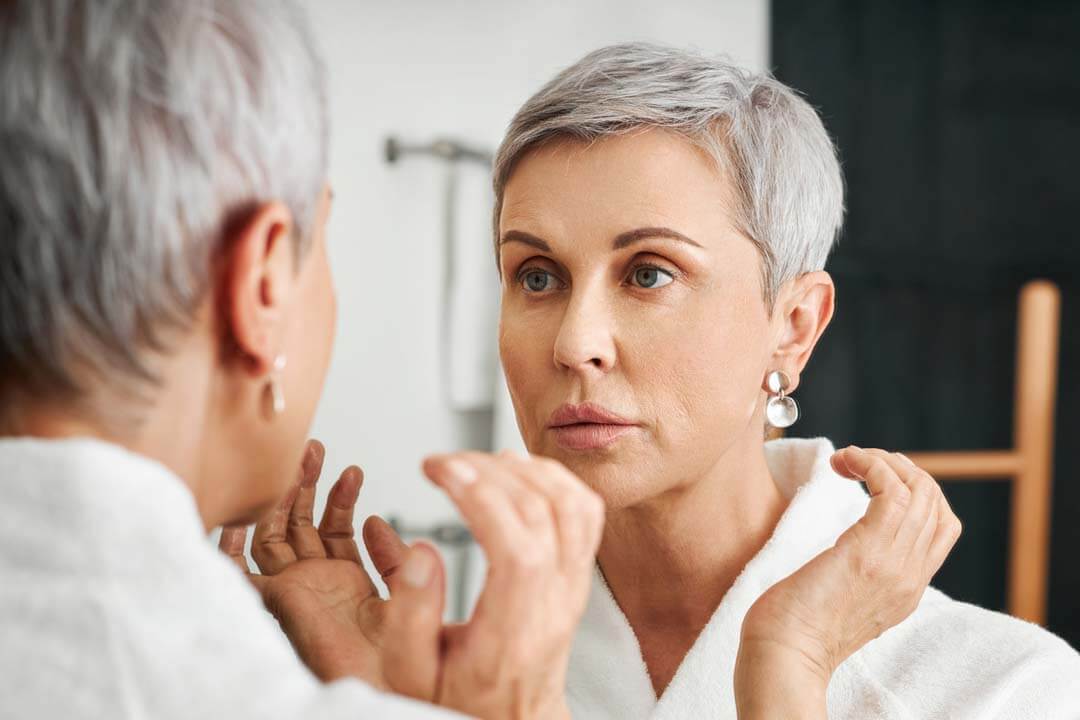
Fat does more than add volume. The layer of fat beneath your skin helps shape your face, gives it support, and creates smooth transitions between different facial features. With aging, certain medications, and weight loss, this layer can thin out.
When that happens, you may notice:
A conventional filler can add volume, but Lipoderma is designed to restore the fat layer itself.
Losing a significant amount of weight can change the face, no matter how the weight comes off. But patients taking GLP-1 medications often notice facial changes fairly quickly, since the weight tends to come off fast.
As body fat decreases, some patients develop:
This is sometimes called “GLP-1 face” or “Ozempic face.” It’s not that these medications damage the skin. It’s that losing a lot of weight quickly reduces the fat that normally supports your skin and facial structure.
Lipoderma is designed to restore that lost fat volume using donated fat tissue. If you’re still actively losing weight, Dr. Tannan may recommend waiting until your weight has stabilized before doing facial volume restoration, so you get the best possible result.
The simplest way to think about it: traditional filler adds material, while Lipoderma restores fat tissue. Traditional fillers are manufactured substances designed to add volume, and they vary in makeup, how they behave, and how long they last. Lipoderma, on the other hand, is human fat tissue that comes from a donor.
| Traditional Dermal Filler | Lipoderma |
|---|---|
| Manufactured/synthetic injectable material | Human adipose tissue allograft |
| Adds volume | Restores lost adipose tissue |
| Composition depends on filler | Native adipose tissue architecture |
| No donor tissue required | Donor-derived human tissue |
| Typically gradually resorbs depending on product | Designed to integrate and remodel over time |
| Primarily a volume-based approach | Structural fat restoration |
The right choice depends on the problem being treated. Dr. Tannan may recommend a traditional filler, Lipoderma, your own fat (fat grafting), or surgery, depending on your anatomy and goals.
Traditional fat grafting uses your own fat. Fat is taken from another area of your body, processed, and then transferred to the area that needs volume. This remains a great option for patients who have enough donor fat and are open to a surgical procedure.
Lipoderma offers another path. It’s an off-the-shelf, donor-derived tissue, so there’s no need for liposuction or a donor site on your own body.
This can be especially helpful for patients who:
Lipoderma doesn’t replace fat grafting for everyone. It simply gives us another tool to work with.
Lipoderma is designed for restoring volume in specific areas. At Tannan Plastic Surgery, areas we may consider include:
Losing cheek fat can flatten the midface and create a hollow look. Restoring volume here can help recreate a smoother transition between the lower eyelid and cheek.
Losing fat here can contribute to hollows beneath the eyes. Because the anatomy around the eyes is delicate, this area requires careful evaluation to determine whether and where volume restoration makes sense.
Losing volume in the temples can create a more angular look in the upper face. Some patients benefit from restoring this lost volume.
With age or weight loss, the backs of the hands can lose their protective layer of fat, making veins, tendons, and bones more visible. Lipoderma may help restore volume here in the right candidates.
Your treatment starts with a consultation with Dr. Shruti Tannan, a board-certified plastic surgeon in Raleigh, or her nurse injector, who works closely with Dr. Tannan.
During your consultation, Dr. Tannan will look at:
From there, she’ll determine whether Lipoderma is right for you and build a treatment plan around your needs. Lipoderma is typically placed just beneath the skin using a small cannula. The treatment is done in-office with local anesthesia as needed. The exact approach depends on the area being treated and how much volume is needed.
Lipoderma adds volume right away, so you’ll likely see improvement immediately after your treatment. That said, this initial look isn’t the final result. Swelling and bruising can temporarily change the appearance of the treated area, and the tissue will continue to settle and integrate as you heal.
In the weeks and months after treatment, you may experience:
Most patients have relatively little downtime, though recovery can vary depending on the area treated and your individual healing. Dr. Tannan will give you specific aftercare instructions after your procedure.
Unlike traditional fillers, Lipoderma isn’t meant to just provide temporary volume. You’ll see an immediate improvement, and the tissue continues to integrate and settle over time. Current clinical data shows results lasting at least six months, and longer-term results are still being studied. Because Lipoderma is a newer technology, we can’t promise a specific number of years of correction.
Your results will depend on things like:
If you need more volume down the road, Dr. Tannan can help determine if another treatment makes sense.
Lipoderma is designed to integrate into your tissue and remodel over time. It’s donor-derived allograft, not fat harvested from your own body, so your body goes through a natural remodeling process as it incorporates the tissue, and your final result develops gradually. This is why we encourage patients to think of Lipoderma as restoring tissue, rather than just another injectable filler.
You may hear Lipoderma fat-based filler described in “regenerative” terms, since it contains natural adipose tissue and a supportive framework, and is designed to integrate and remodel in the body. We prefer to describe it more simply: Lipoderma is donated human fat tissue, processed to remove markers that could trigger an immune reaction while keeping its natural structure, and designed to restore lost soft-tissue volume.
Lipoderma comes from screened human donors and is processed through an established tissue-banking system, following applicable tissue-bank and FDA requirements.
As with any procedure involving human tissue, there are potential risks to be aware of. During your consultation, we’ll walk you through the risks, benefits, limitations, and alternatives to treatment. Being derived from human tissue doesn’t mean a product is risk-free. Careful patient selection, a sterile procedure, proper placement, and good follow-up care all remain essential.
You may be a good candidate if you have localized volume loss and want a more natural contour, without going through liposuction or a bigger surgical procedure.
Lipoderma may especially appeal to patients who have experienced:
The best candidates understand that the goal is restoration, not transformation.
There’s no single treatment that works for every type of facial aging or volume loss. Sometimes the right answer is a traditional filler. Sometimes it’s Lipoderma. Sometimes it’s your own fat. And sometimes surgery is the most appropriate option.
Dr. Tannan takes an individualized approach based on your anatomy, rather than simply adding volume wherever a hollow appears. The goal isn’t to make you look different.
The goal is to restore the structure that made you look like you.
If you’ve noticed facial hollowing or volume loss from weight loss, GLP-1 treatment, or simply the passage of time, Lipoderma fat-based filler may offer a new way to restore lost fat tissue.
Schedule a consultation with Dr. Shruti Tannan at Tannan Plastic Surgery in Raleigh to find out if Lipoderma is right for you.
Call Tannan Plastic Surgery at (919) 797-0996 to schedule your consultation.

Looking for a non-opioid pain medication after plastic surgery? Dr. Tannan breaks down Journavx, a new nonnarcotic option changing post-surgical pain control.
Significant weight loss from GLP-1 use can cause Ozempic Face. If your reflection shows hollowing in cheeks, increased skin laxity and wrinkles, or dull skin, this is for you!
Watch Dr. Tannan’s My Carolina CBS 17 interview on facelifts, Botox, fillers, and skincare tailored for deeper skin tones.
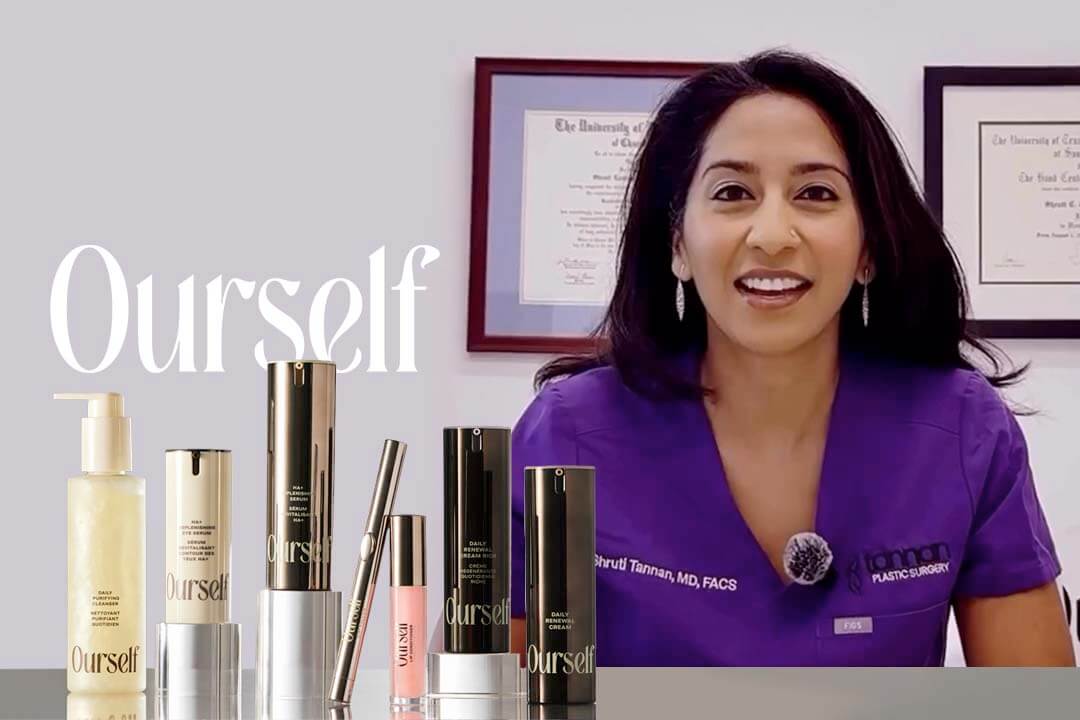
The skincare lines a practice carries should be based on science and truly elevate patient outcomes. This is why we carry Ourself in our Raleigh, NC office.
Discover the Tannan Plastic Surgery Amazon Store. Dr. Tannan’s curated recovery essentials for tummy tuck, breast aug, facelift & more. Shop smarter, heal better.
Confused whether injectable peptides or botox are better? Learn how each works, what’s proven, and what’s best for wrinkle treatment.
Laser treatment for darker skin has evolved. Learn which lasers work best for your skin, how risks are reduced, and why provider experience matters.
Whether you’re a bride, member of the bridal party or an excited guest, we have the ultimate wedding prep timeline!
Noticing beauty blindness with Botox and fillers? Discover how expert guidance at our Raleigh office can help you look refreshed, not overdone.
Is your face itchy and dry this winter? Here are 3 winter skin care tips from a plastic surgeon to help you look and feel your best!
Neuromodulators or injectable peptides? Let’s break down what’s real, what’s risky, and why you should think twice before turning your bathroom into a DIY injection spa.
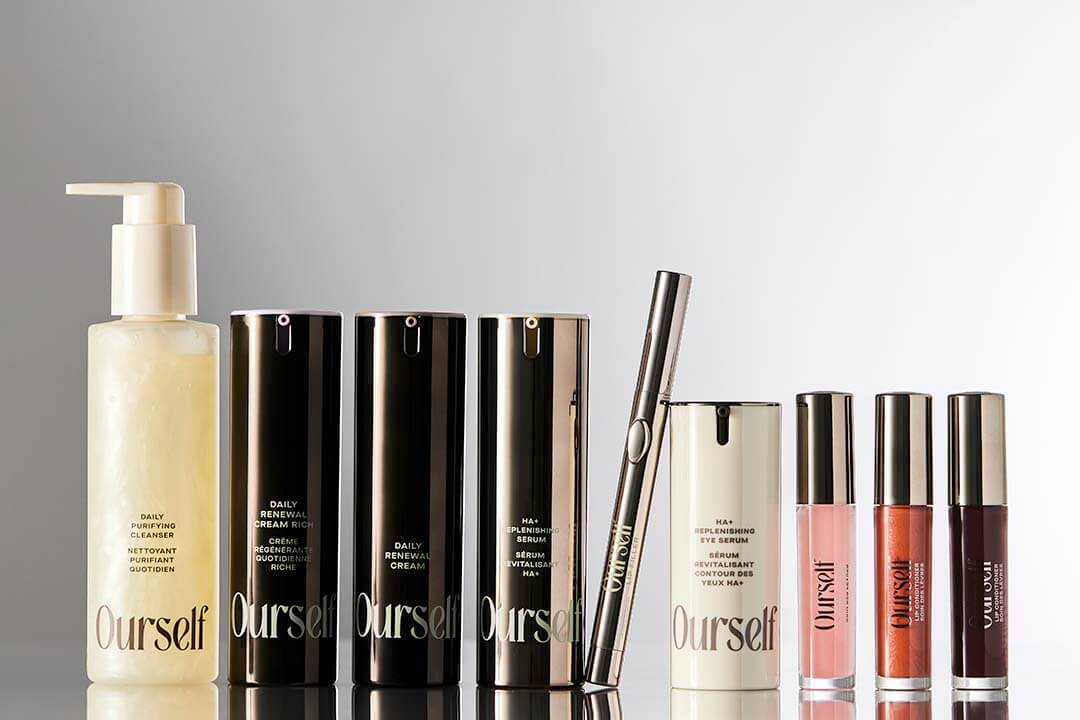
We carry the Ourself skincare system. Formulated with patented technology, Ourself’s products target the source of key skin concerns.
Start them off right for a lifetime of glow! Dr. Shruti Tannan shares her top tips for skincare for tweens and tweens.
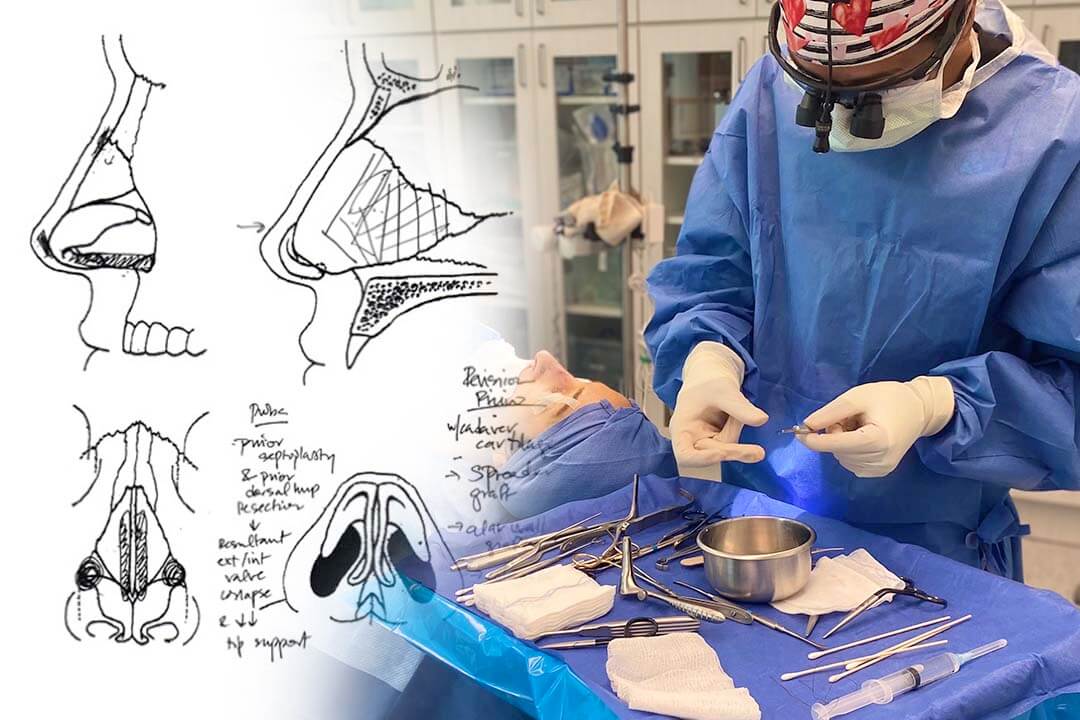
Get a behind-the-scenes look at revision rhinoplasty with board-certified plastic surgeon, Dr. Shruti Tannan. See before & after photos and video of a REAL patient!
How does Botox work? Learn how muscles express emotion and how Botox works to leave you looking refreshed and less stressed.
Is microneedling or botox better at erasing wrinkles? Get a plastic surgeon’s take on these procedures and how to know what’s best for you.
Learn which browlift technique Dr Shruti Tannan recommends, plus recovery tips shared in the American Society of Plastic Surgeons Journal!
Work with our Elite Injector to build a cosmetic treatment plan that works for you and your unique lifestyle. Find out how we do it here.
Tannan Plastic Surgery was recently recognized as one of the top practices in the country for Morpheus8 treatments. Learn more here!
Dr. Tannan and our expert injector breakdown the best facial fillers on the market and what they treat.
Get rid of forehead wrinkles at any age! Here are top skincare and injectable treatments to make those forehead lines fade.
Summer is a great time to evaluate our skin care products and regimen. Read on for the best skincare products that we recommend in 2023!
Here is what to look for in a Morpheus8 provider in North Carolina to help you feel confident and comfortable in your own skin.
Learn why the Morpheus8 treatment is one of the BEST cosmetic solution for facial wrinkles, texture, pores, acne and neck fat.
Searching for the best skin care recommendations for every age? Find the top tips from our Tannan Plastic Surgery experts!
Learn what to expect after Morpheus8 Microneedling and get top tips on achieving the best results from plastic surgeon Dr. Tannan.
Frustrated by a thin upper lip? Learn how our expert injector uses a lip flip to give you a gorgeous smile!
Frustrated by too much pink when you smile? Learn the causes of and how to treat a gummy smile from our expert injector!
Ready for refreshed and glowing skin? Find out if this is the best time for you to get a chemical peel facial treatment!
Wondering what the best sleeping position after plastic surgery is for you? Look no further — we have all the details!
Spectrum News interviews Dr. Tannan on “Zoom” surgeries – an increased demand for plastic surgery since the start of the pandemic.
Do you wonder, Can I Afford Plastic Surgery? Get the info on plastic surgery cost and financing options here!
Lip Filler Migration is real – learn what causes “botched lip filler” and how you can avoid it!
A Liquid Brow Lift is a specialized technique used by expert injectors to lift your brows with Botox, leaving you with a rejuvenated look!
Jaw Slimming Botox is a popular procedure to reduce pain from teeth grinding and clenching, while also creating a slimmer jawline.
Zoom is here to stay, and so is your Zoom face! Here are some tips to look and feel your best on video chats with friends and colleagues.
At some point, we all experience sagging neck skin and other signs of facial aging. Here are three treatment options to help you look and feel your best.
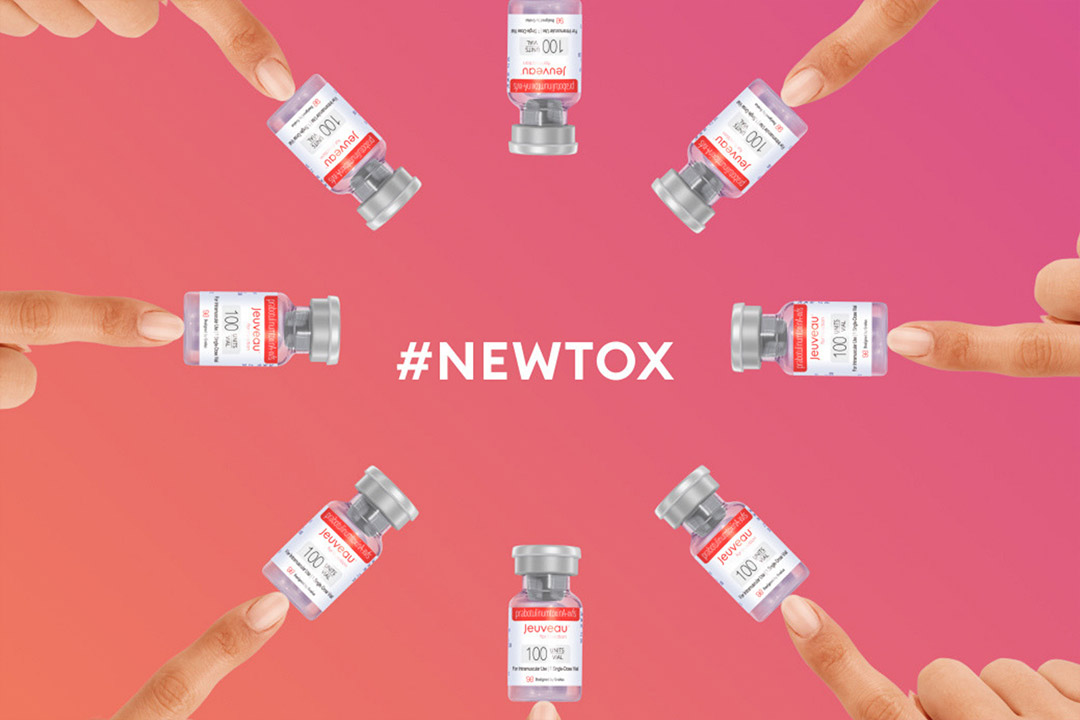
Wondering what it’s like to get Botox vs. Jeuveau? Get the inside scoop and watch a video of Dr. Tannan doing the treatment!
The idea of traveling for plastic surgery can be tempting. But, as Virginia Torres discusses in this post, medical tourism is something to research first!
Healthy looking skin is important at any age – to both women and men. Follow these 3-steps to diminish acne scars, wrinkles, redness and more!
Do your lips fall flat? After getting lip injections, Virginia listed out the top 5 things you should know about lip fillers.
Virginia Torres answers the question of what is Newtox vs Botox. Learn the benefits of Jeuveau and then call to schedule your consultation.
You’ll want to look your best for that upcoming work interview or presentation. Dr. Tannan can help with Botox and fillers, and with minimal downtime!
What makes the perfect face? You’ll find that here, along with anti-aging options in skin care, injectables and plastic surgery.
Over 1,000 attendees are expected at the Women > A Force in Business event in Raleigh NC this year. Join us and other female business leaders at this event!
With all the skin care products available today, how do we know what works? Female plastic surgeon Dr. Tannan reveals a clinically proven anti-aging skin tightening serum to target loose skin and wrinkles.
Mamas are the center that ground the family unit, yet so often we put ourselves last. From a mommy workout to a finding your mom tribe, here are a few quick tips on caring for yourself in mind, body and spirit.
How do we get rid of a double chin and overhanging neck fat? This technique is fast and effective at sculpting your jawline. Put your best face forward and say goodbye to that neck fat!
As the youngest-ever billionaire to date, Kylie Jenner continues to shape the beauty and fashion industry. Just one way she’s influencing it is by reinforcing the notion: overdone is out, and natural beauty is in.
Are sagging brows, frown lines and droopy eyelid problems making you look so much older than you feel? Here are the top 3 ways to fight back!
Don’t be a victim of bad botox from unqualified injectors! Find out why it matters to know who is REALLY doing your Botox and filler treatment. Learn from the experts on aesthetics and cosmetic medicine.
We all know the importance of wearing sunscreen outdoors to protect us from sunburn, skin cancer and wrinkles. But do we need to wear sunscreen indoors too? Find out here!
The FDA just approved the first ever hyaluronic acid gel filler for use in the hand. We discuss hand rejuvenation with fillers and whether this noninvasive anti-aging technique might be right for you.
As we get older, the skin in our face loses volume and starts to sag due to natural aging, sun exposure and other factors. Here we discuss approaches to anti-aging and the best age for a facelift.
Tannan Plastic Surgery is having a skin care giveaway! This collection includes a cleanser, exfoliating polish and complexion renewal pads by ZO Skin Health, valued at over $100 – enter to win today!
Healthier and more youthful looking skin is within reach! Here are 4 anti-aging tips for younger looking skin. We focus on skin care to strengthen, treat, renew and protect your skin.
We discuss Daily Power Defense, a great addition to any skin care program. This ZO Skin Health product focuses on anti-aging, hydration and skin protection.
A good skin care program helps keep our skin looking youthful for as long as possible. Here we take a tip from Miss America herself, Olivia Jordan, on the several benefits of the ZO 3-Step chemical peel.
How much does a facelift cost? Here we provide the average cost for a facelift to help you make the best decision for your facial rejuvenation.
In this YouTube video, Dr. Tannan explains how a rhinoplasty, or nose job, can help you can regain confidence with facial harmony and easy breathing.
Injectable products like botulinum toxin and dermal filler can help bring out your very best look. Learn about the many benefits of Botox and fillers here.
Looking to correct a broken or crooked nose? A closed rhinoplasty is a good option for a straighter nose that is in harmony with the rest of your face.
Without question, cosmetic plastic surgery procedures for men are growing in popularity. Find out how the top 5 male procedures can help you look your best.
If you had a rhinoplasty before and aren’t satisfied with the results, you are not alone. A revision rhinoplasty can help restore your facial harmony.
In this YouTube video, Dr. Tannan explains how we can treat the telltale signs of aging in the face and neck with a facelift at Tannan Plastic Surgery.
Both facelifts and fillers can do wonders in rejuvenating and restoring your face. Learn more about the differences in these two approaches here.
This summer is a scorcher! Here are three quick tips on how you can modify your summer skin care routine to adapt to the extreme elements.
Restoring your facial balance can help you put your best face forward in every setting. Botox might be the right answer – let’s discuss to find out!